Published October 21, 2026 · By John Expert Roofer
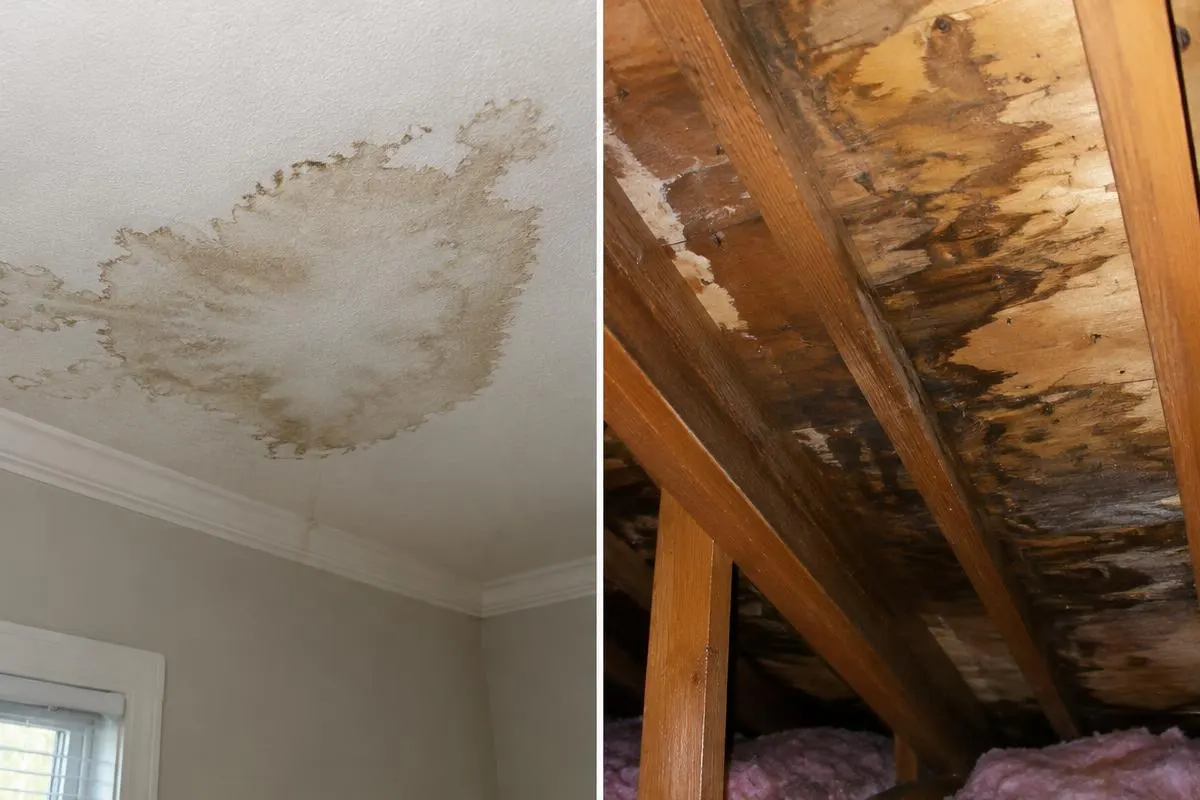
Long Island's climate gives roofs a workout. Coastal wind, heavy downpours, humid summers and winter cycles of freezing and thawing all test the weak points of a roofing system. When a leak appears, it almost always traces back to one of a handful of common causes.
Understanding those causes helps you spot problems early and explains why a proper roof leak repair focuses on the source rather than the stain.
Failed Chimney Flashing
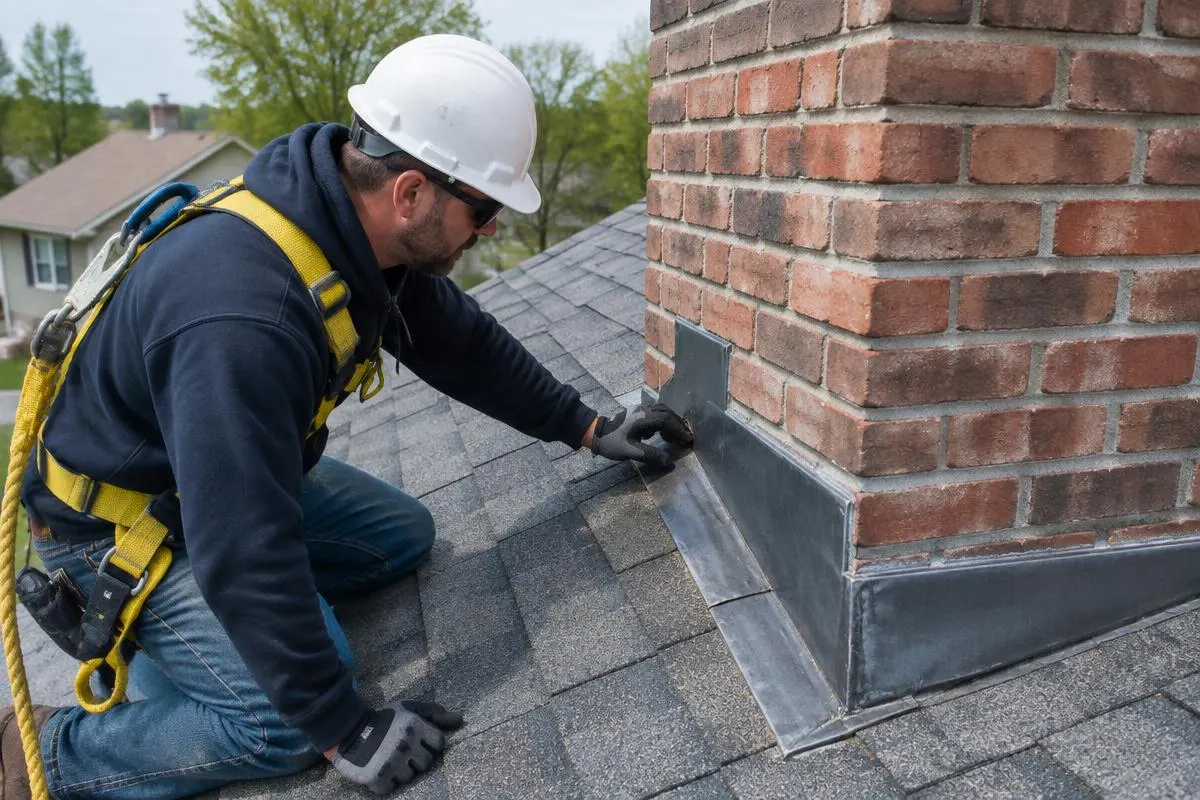
Chimneys are one of the most frequent leak sources we encounter. A chimney is a large opening in the roof, and the joint between brick and roofing must be sealed with step flashing and counter flashing. Over time, mortar joints deteriorate, sealant dries and cracks, and flashing can pull away from the masonry.
Thick layers of roofing cement smeared around a chimney are often a sign of past quick fixes. These rarely last, because the material shrinks and cracks with temperature changes.
Cracked Plumbing Vent Boots
Most homes have several plumbing vent pipes passing through the roof, each sealed with a rubber or neoprene boot. Sunlight degrades these boots, and they eventually crack around the pipe. Water then runs straight down the pipe into walls or ceilings. Because the fix is relatively simple, it is one of the most satisfying repairs to make.
Valleys and Roof Intersections
Valleys are where two roof slopes meet and channel water downward. They carry more water than any other part of the roof, so wear shows here first. Improperly cut shingles, debris buildup and missing ice and water protection all make valleys vulnerable.
Similar issues occur where a roof meets a wall, such as at dormers or second-story additions. Missing or poorly installed step flashing lets water slip behind siding.
Wind-Driven Rain and Lifted Shingles
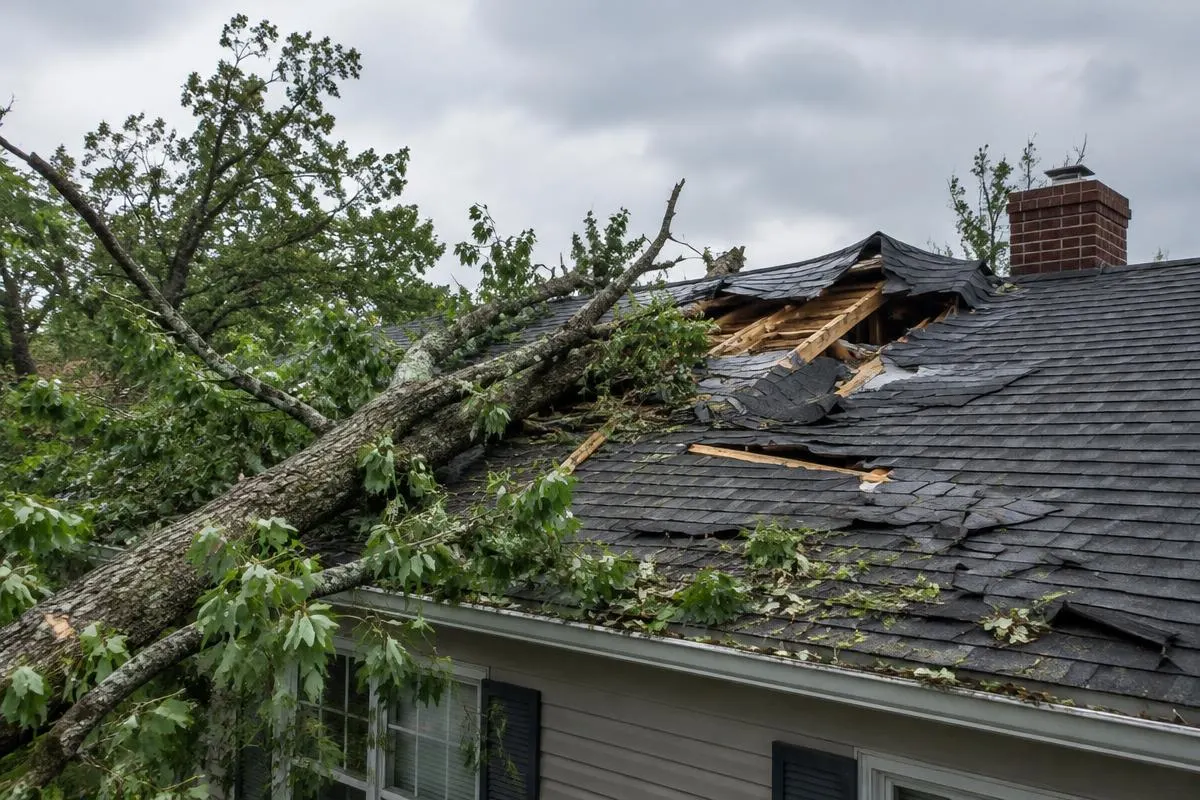
Strong winds from nor'easters and summer storms can lift shingle edges and break their seal. Even if shingles are not torn off, a broken seal allows wind-driven rain to work underneath. These leaks often appear only during storms from a particular direction, which is an important clue when tracing them.
After a significant storm, it is worth having the roof checked. Our storm damage roof repair page explains that process.
Ice Dams in Winter
When heat from the house warms the roof deck, snow melts and runs down to the colder eaves, where it refreezes into a ridge of ice. Water backs up behind that ice and can seep under shingles. Ice dams are a combined roofing and attic issue. Ice and water protection at the eaves helps, and improving insulation and ventilation addresses the root cause.
Skylights
Skylights bring in light, but they also create openings that depend on flashing and seals. Leaks can come from the flashing around the unit, failed seals in the skylight itself or condensation that mimics a leak. Determining which is happening requires a close look.
Aging Materials and Flat Roof Seams
As shingles age and lose granules, they become brittle and crack. On low-slope roofs, seams and flashing around equipment are the primary leak points, and standing water speeds up their deterioration. Our flat roofing page discusses those systems, and our roof repair service covers repairs on pitched roofs.
Clogged Gutters
Gutters packed with leaves cannot drain, so water backs up under the roof edge and against the fascia. In winter, clogged gutters also contribute to ice buildup. Keeping gutters clear is simple preventive maintenance that protects the roof edge.