Published October 21, 2026 · By John Expert Roofer
When a roof develops a problem, homeowners usually ask the same question: can it be fixed, or does the whole thing need to go? The honest answer depends on several factors, including how widespread the damage is, the overall condition of the roof, how many layers are already on the house and how long you plan to stay.
This guide explains how we think through the decision with clients so you can approach it with confidence. For details on each service, see our roof repair and roof replacement pages.
Start With the Extent of the Damage
Localized damage generally favors repair. A few wind-torn shingles, a cracked vent boot or a failed section of chimney flashing can be corrected without touching the rest of the roof. If the surrounding materials are in good shape, a repair restores protection at a fraction of the scope of a full replacement.
Widespread issues tell a different story. When shingles are curling on every slope, granules are worn away across the roof or leaks are appearing in multiple rooms, patching one area often just moves the problem somewhere else.
Consider the Overall Condition and Age
Every roofing material has a typical service life that varies with product, installation quality, ventilation and exposure. A roof that is relatively young with an isolated problem is a strong repair candidate. A roof showing its age across the board may not justify continued investment in repairs.
If you do not know how old your roof is, an inspection can reveal clues such as shingle brittleness, granule loss and the condition of the flashing.
Look Beneath the Surface
Decking condition matters. If water has been entering for a long time, the plywood or boards beneath the shingles may be soft or rotted. Small areas of damaged decking can be replaced during a repair, but extensive deterioration usually means a tear-off is needed to address it properly.
The attic is a good indicator. Widespread staining, mold or daylight through the boards suggests problems beyond a single repair.
Count the Layers
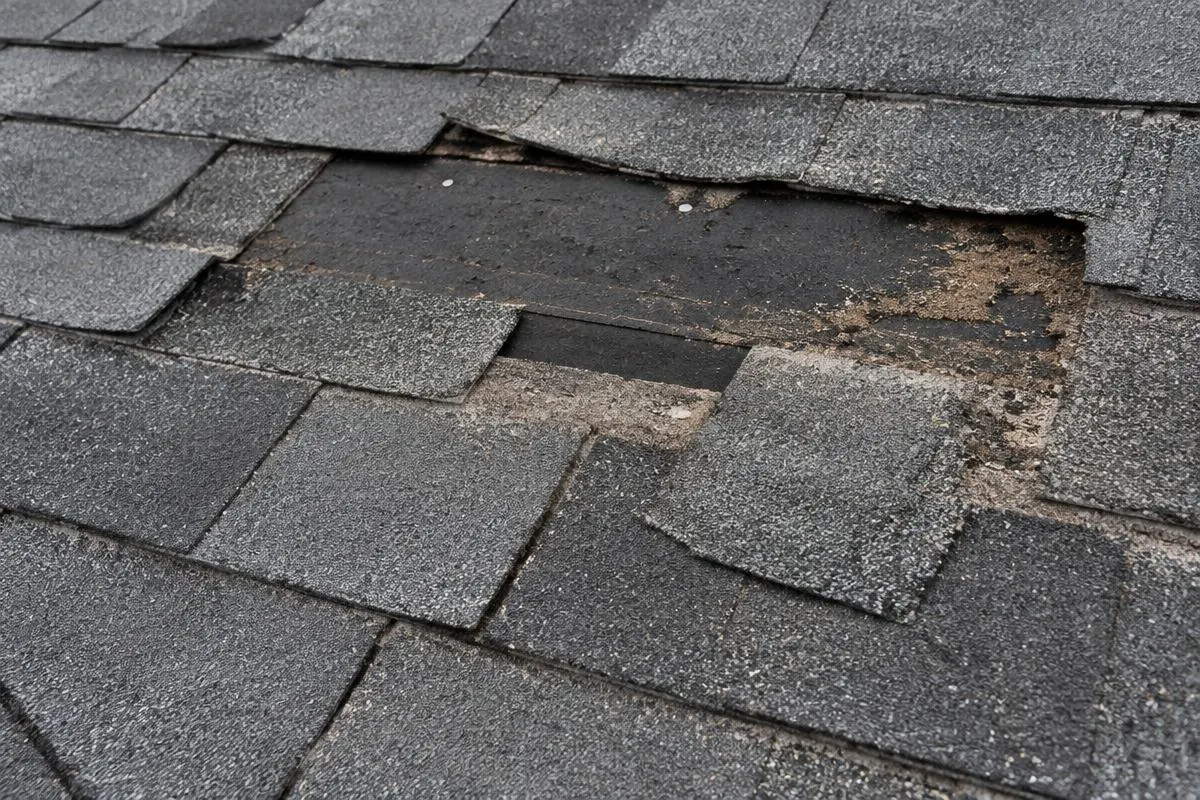
Some homes have had new shingles installed over old ones, sometimes more than once. Multiple layers add weight, trap heat and hide the condition of the deck. They can also make repairs less reliable, because new shingles do not seat flat over uneven layers. When a home already has multiple layers, replacement with a full tear-off is often the cleaner path.
Think About Appearance and Matching
Shingle colors and styles change over time, and older products may be discontinued. A repair on an older roof may not match perfectly. On a rear slope this may not matter to you; on the front of the house it might. We will tell you up front if an exact match is not available so you can factor that in.
Your Plans for the Home
If you plan to sell soon, a sound roof can matter to buyers and inspectors. If you plan to stay for many years, investing in a complete new system may give you more peace of mind than a series of repairs. There is no universal right answer, which is why we explain options rather than push one.
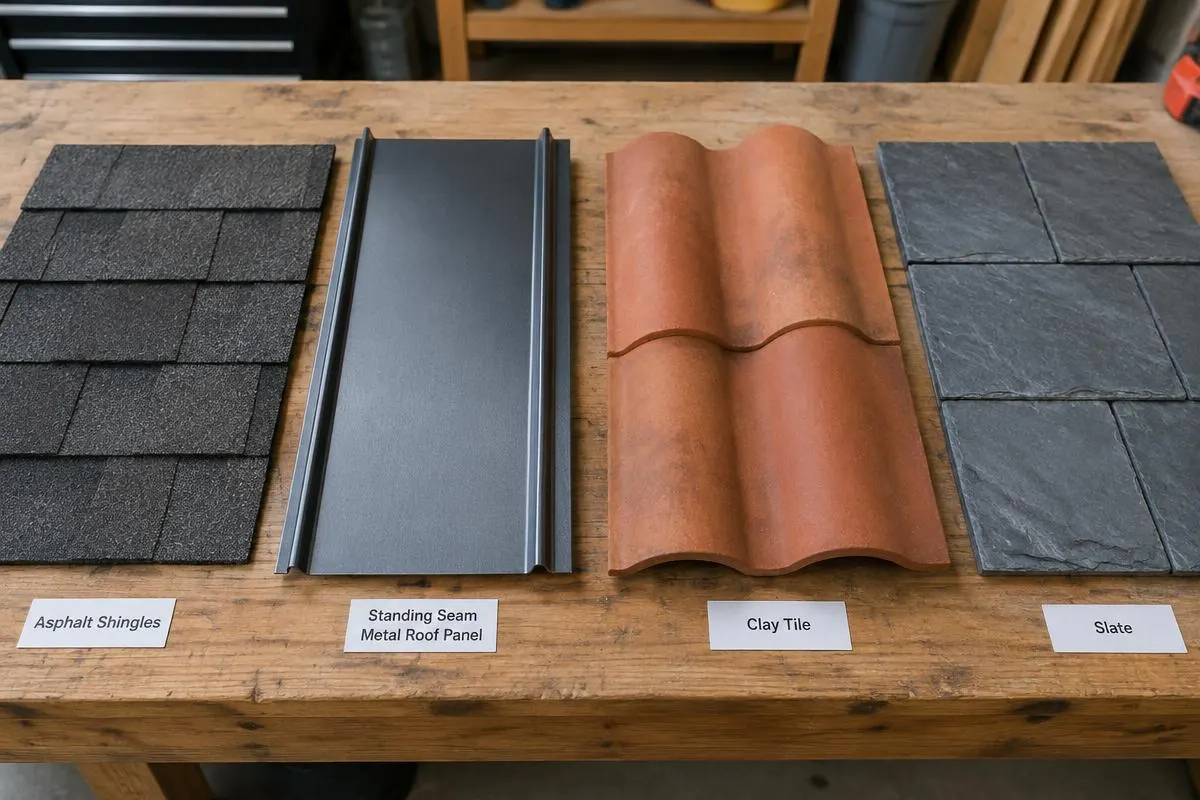
A replacement is also a chance to reconsider materials. Our article on choosing roofing materials for a Roslyn home compares common choices.
Getting a Clear Recommendation
The best decisions start with an accurate inspection. We look at the roof surface, flashing, ventilation and, when accessible, the attic, then explain what we see. If you are noticing early warning signs, read signs your Roslyn home may need roof repair for a checklist.