Published October 21, 2026 · By John Expert Roofer
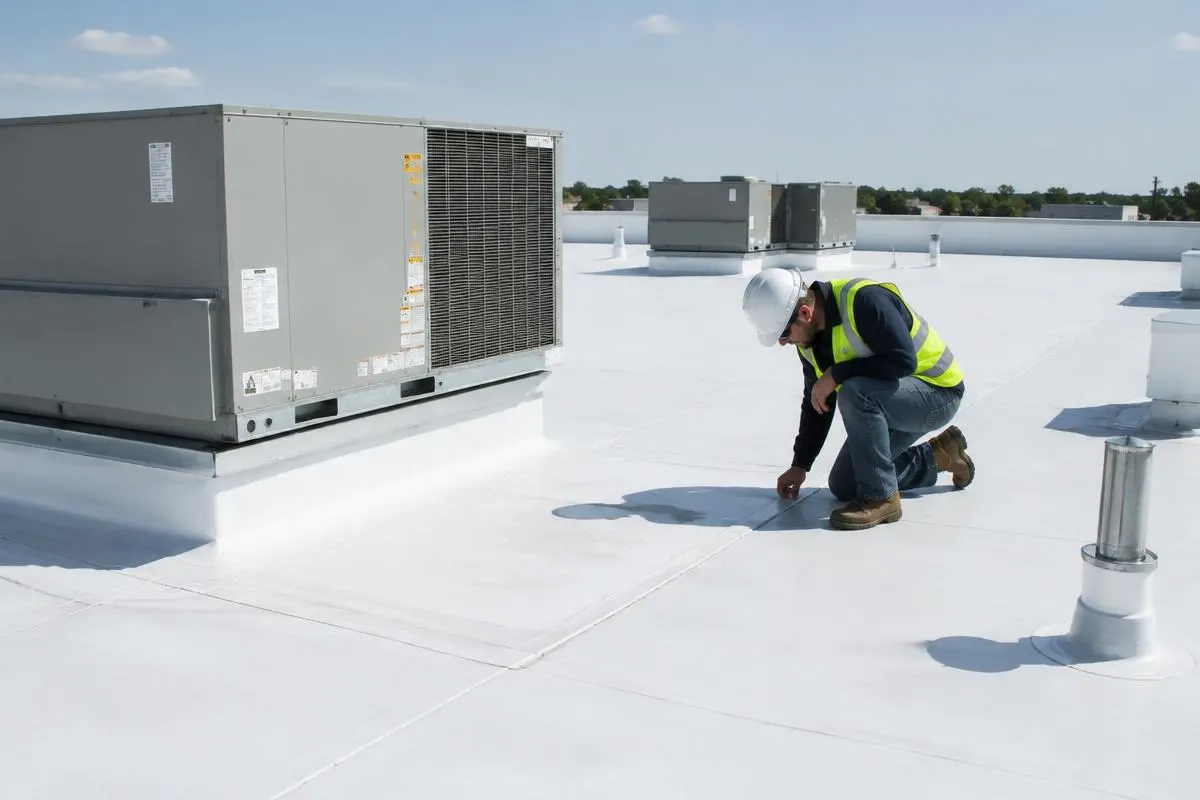
Commercial flat roofs work hard. They support HVAC units, endure foot traffic from service technicians and must drain large surface areas. Because they are out of sight, small problems often go unnoticed until a tenant reports a leak or ceiling tiles start to stain.
A consistent maintenance routine helps catch issues early. This article outlines what property owners and managers should look for and how it fits with professional commercial roofing service.
Set a Regular Inspection Schedule
Many property managers schedule professional inspections at least twice a year, in spring and fall, plus after major storms. Spring checks reveal winter damage from ice and snow; fall checks prepare the roof for the coming season. Keeping a simple log with dates, photos and findings makes it easier to spot changes over time.
Keep Drains, Scuppers and Gutters Clear
Drainage is the single most important factor on a flat roof. Leaves, litter and debris clog drains and scuppers, causing water to pond. Ponding water adds weight, stresses seams and accelerates membrane wear. Clearing drains regularly, especially in autumn, is one of the most effective maintenance tasks.
After a rain, note any areas where water remains long after the rest of the roof has dried. Persistent ponding may indicate low spots that need correction.
Inspect Seams and the Membrane Surface
Membrane seams are where sheets of roofing are joined, and they are a common failure point. Look for separation, wrinkles, blisters and punctures. Bubbles or soft areas underfoot may indicate trapped moisture in the insulation below. Any damage to the surface should be repaired promptly to prevent water from spreading under the membrane.
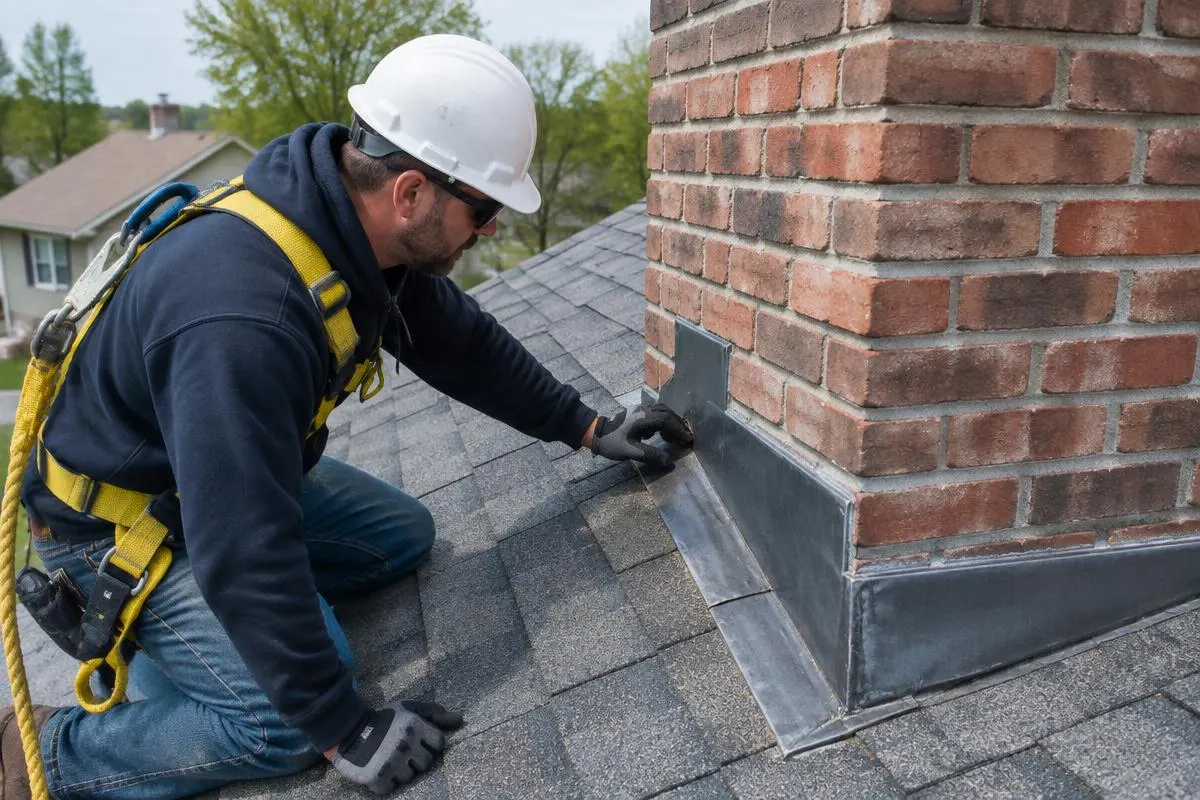
Check Flashing at Parapets, Curbs and Penetrations
Flashing seals the membrane where it meets walls, equipment curbs, pipes and vents. Look for gaps, loose edges, deteriorated sealant and rust on metal coping. These details are among the most common sources of commercial roof leaks.
Our flat roofing service covers repairs to these areas, including membrane flashing and sealant replacement.
Manage Rooftop Equipment and Foot Traffic
HVAC technicians, satellite installers and other contractors access the roof throughout the year. Dropped tools, screws and panels can puncture membranes. Consider walkway pads along common routes and ask service providers to report anything they damage. A quick walk after other trades finish their work can catch problems before the next rain.
Watch for Interior Warning Signs
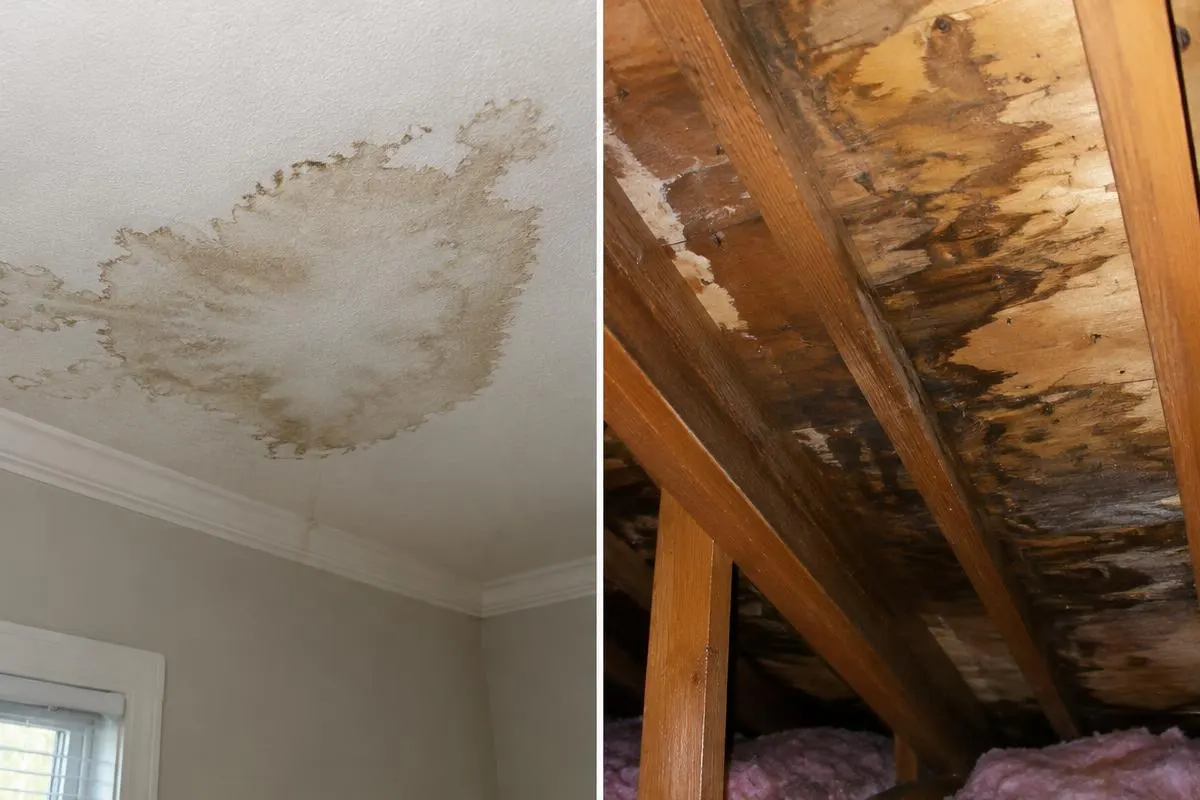
Inside the building, stained ceiling tiles, musty odors, peeling paint near the top of walls and unexplained moisture are signs the roof may be leaking. Because water travels under membranes, the source may be some distance away. Prompt roof leak repair limits damage to insulation and interior finishes.
Plan Ahead for Replacement
Even with good maintenance, every roof eventually needs replacement. Tracking repair frequency and inspection findings helps owners plan and budget instead of reacting to emergencies. When repairs become frequent or the insulation is saturated, it is time to discuss replacement options. Owners comparing systems may also find our article on common causes of roof leaks on Long Island useful.